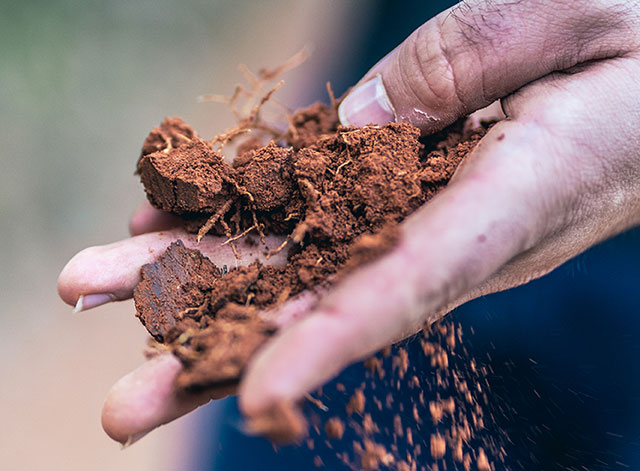
Manure Spreading
Professional manure spreading services, for accurate nutrient application when it matters most
- Even, controlled spreading using modern machinery to support soil fertility
- A practical approach that helps you get the most value from your nutrients and improve yield potential
- Work carried out in line with current regulations and best practice, giving you peace of mind
- Free up time and pressure at busy points in the season, while knowing the job is done properly
Already know what you need? Get in touch and speak with our team today.
Send us a message
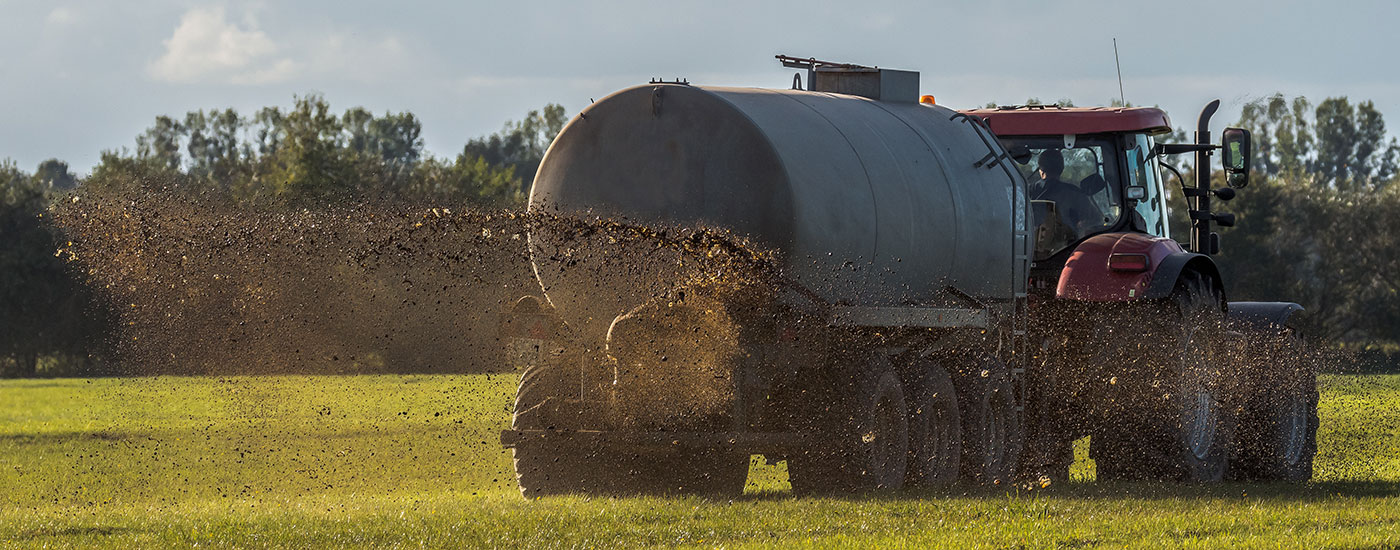
What is Manure Spreading?
Manure spreading (also known as muck spreading) is the process carried out by a manure spreader, pieces of agricultural machinery used to evenly distribute manure across farming space and fields.
Why do farmers spread manure on their fields?
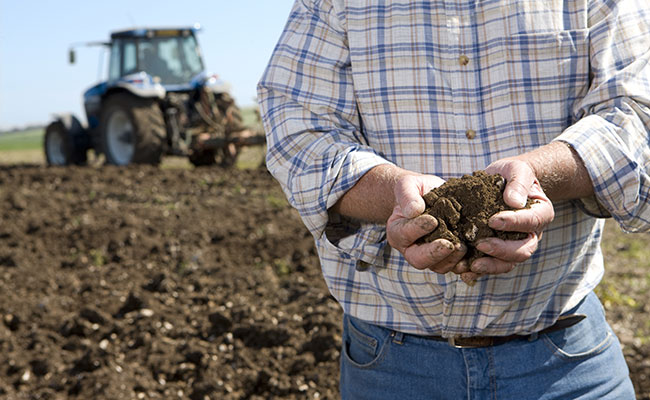
The use of manure allows farmers to regulate the fertility of the soil and maintain the quality. When a soil is deficient in the vital nutrients required to effectively grow healthy crops, agricultural services can be enlisted to test and determine the best treatment to revive it. There are various types of fertilisers available for use alongside the essential need to identify the correct type of manure spreader to complete the job, in order to gain the highest yield possible from the harvest.
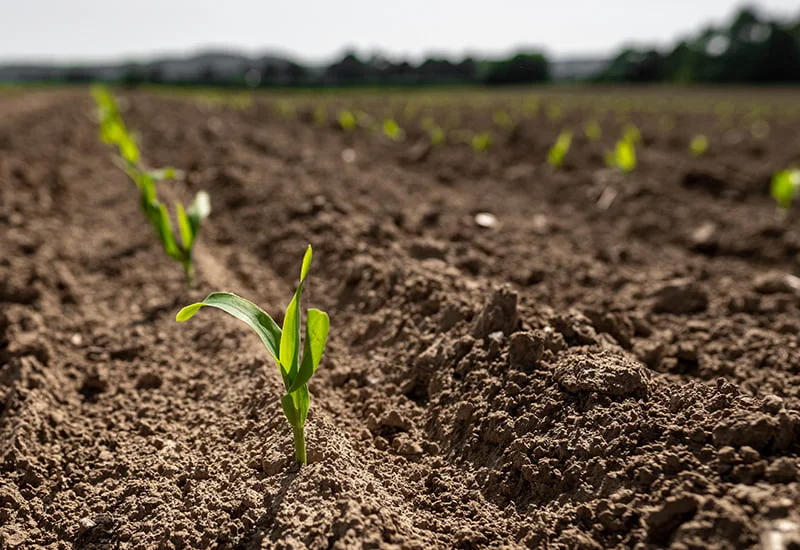
What is a manure spreader?
The manure spreader is a large piece of agricultural service machinery which allows for the even spreading of manure across fields. The spreader is a trailer which can be towed by a trailer which propels the rotating mechanism. Most manure spreaders are made up of several parts, which are; the upper beater, lower beater and the spreader. There are typically two types of manure spreader, within the tractor category domain; tractors based and ground-based. The tractor will use various gears in order to manage various elements of the spreader, as follows;
- First gear drives the upper beater
- Second gear drives the lower beater
- Third gear drives the feed conveyor
- Top gear drives the actual spreader
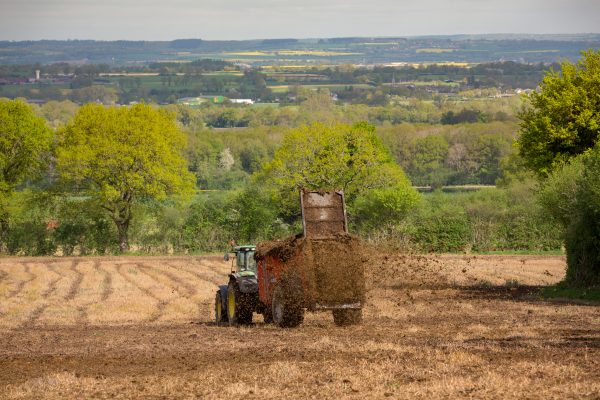
How the Service Works
- Initial discussion – Assess crop needs, soil condition and timings
- Planning & compliance – Ensure correct application windows and rates
- Spreading operation – Accurate, even manure application
- Follow-up – Support for additional applications if required
Our aim is to deliver a straightforward, reliable service that supports soil health and crop performance.
FAQs
When do farmers spread manure?
A pitchfork and rake might suffice if you were to spread manure on your garden. If you’re spreading cow manure on an agricultural lot, then without the help of a spreader, you’ll waste a lot of time ensuring your land is fertilised. Using a spreader means that you can spread cow manure evenly, accurately, and efficiently.
How to use a manure spreader?
A pitchfork and rake might suffice if you were to spread manure on your garden. If you’re spreading cow manure on an agricultural lot, then without the help of a spreader, you’ll waste a lot of time ensuring your land is fertilised. Using a spreader means that you can spread cow manure evenly, accurately, and efficiently.
How to spread cow manure?
A pitchfork and rake might suffice if you were to spread manure on your garden. If you’re spreading cow manure on an agricultural lot, then without the help of a spreader, you’ll waste a lot of time ensuring your land is fertilised. Using a spreader means that you can spread cow manure evenly, accurately, and efficiently.
Why do farmers spread manure on their field?
Spreading manure and fertilisers keeps the soil rich in nutrients so that crops can grow to their fullest. To keep the soil fertile, a number of critical nutrients are required, many of which are naturally found in soil. The chemical composition of soil varies depending on a range of factors, including the environment and the types of crops previously grown there. Manure and fertilisers can be used to rebalance soil that’s been depleted of chemicals and give crops an added boost.
What time of year do farmers spread manure?
Muck spreading season is in spring and early summer, when crops and grass can make best use of the nutrients. Winter spreading is generally avoided due to wet ground and environmental restrictions.
How often do farmers spread manure?
Most farms spread manure once or twice a year, depending on crop needs, soil nutrient levels and manure availability. Grassland may receive applications more frequently than arable land.
How does a manure spreader work?
A manure spreader feeds material from the hopper to the rear using a moving floor, where beaters or discs break it up and spread it evenly across the field as the tractor moves forward.
Can you spread lime with a manure spreader?
Only if the spreader is designed or adapted for lime. Lime is best applied using a dedicated lime spreader to ensure even coverage and accurate application rates.
What is manure drag?
Manure drag is a low-emission spreading method that applies slurry close to the ground using trailing hoses or shoes, reducing odour and nutrient loss.