Grassland
Professional grassland farming services – maximising forage quality, livestock performance and soil health
- For farms of all sizes, designed to maximise output from every acre
- Proven agricultural grassland management methods to improve yield and crop quality
- Modern, reliable equipment operated by skilled teams
- Trusted grassland contractors supporting grass farms across the UK, season after season
Need grassland services? Reach out to us today.
Send us a message
What are Grasslands?
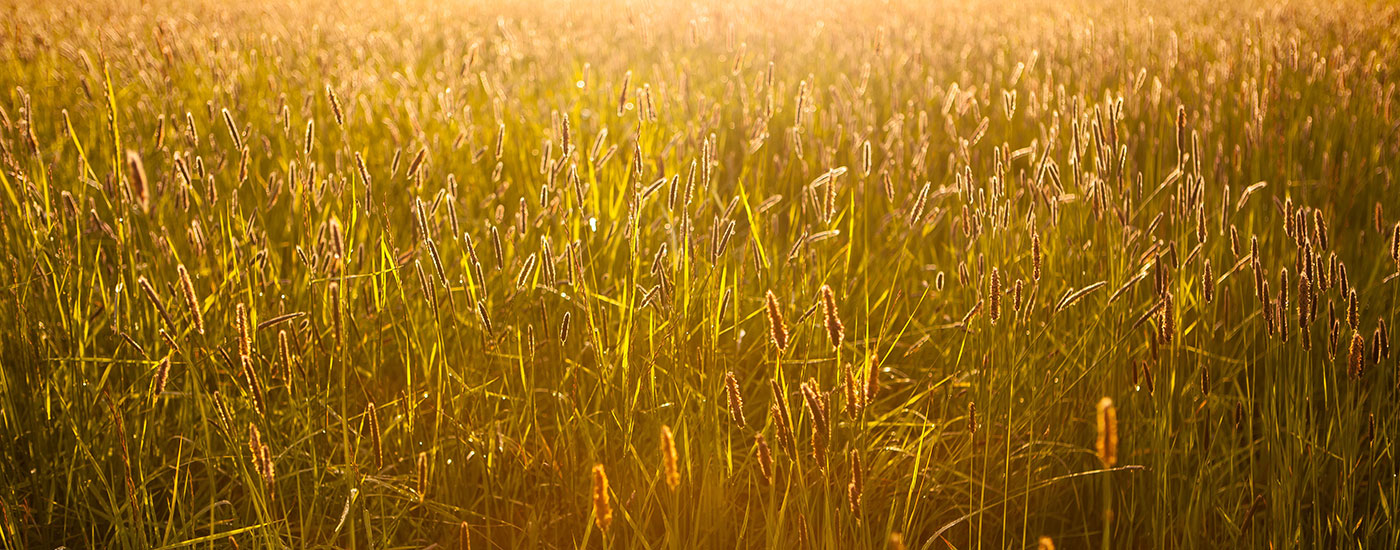
Grasslands are areas primarily dominated by vegetation such as grasses, wedge, and rush. These areas of land are used for agricultural farming, often reserved for the growth of crops and feeding livestock. The crop is then typically baled using a number of different harvesting methods.
What is grassland farming and why is it important?
Grassland farming focuses on the management of grassy fields used for livestock grazing and forage production. Effective grassland agriculture supports healthy animals, improves forage quality and helps maintain long-term soil structure across grassland farms.
Mowing
The management and maintaining of your meadows and grasslands require regular mowing agricultural services. The act of mowing grassland allows farmers to remove weeds, replace any damaged turf, improve drainage and irrigate the land, compact the soil and allow for the better application of chemicals and treatments.
Tedding
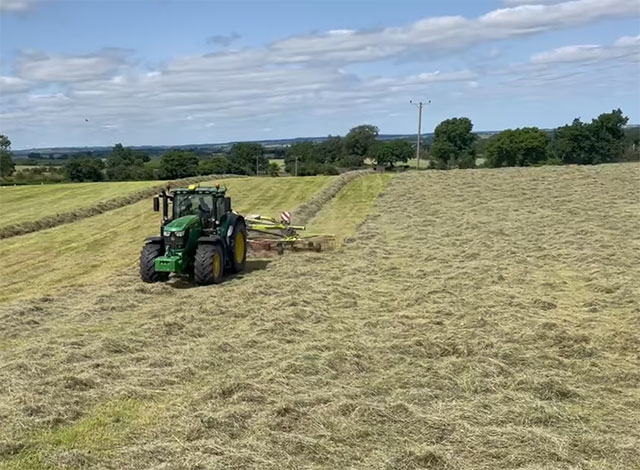
The tedding of grassland is an agricultural service that is performed following the mowing process. Tedding turns over and spreads out the grass, straw or hay in order for it to dry. This agricultural service process is typically performed using hay tedders and may need to be performed more than once following a first initial drying process.
Raking
Following the mowing and tedding process, the next agricultural service to be completed is raking. Raking is performed once the hay is nearly dry and is performed to ensure that the bottom of the crop pie is also dry. The process turns the hay into a window, which prepares the product to be baled. Ensuring the hay is rolled to be neither too loose or too tight, will ensure that you avoid a roping effect that can result in a clogged baler.
Round & Square Baling
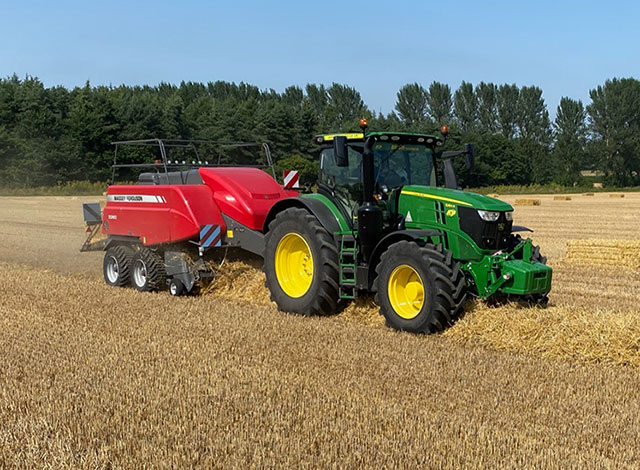
Baling is the process of forming the dried hay or crop product into either round or square bales read for storage and transportation. Round bales are often easy to handle using a two-spike loader fork, they are also formed in such a way that they are harder for water to penetrate the seal. Due to the nature of round bales, they often require heightened power requirements and weight compaction machinery. Square bales are preferable for horses and for use in mechanical bale feeders. These bales are also more easy to stack and store, however, they must be kept out of the rain as square bales are more susceptible to rain, which can damage the whole product. Square balers are typically more expensive to purchase in comparison to round balers, whoever utilising the agricultural services of professional farming providers, can cut the costs of having to buy your own machinery.
Grass Harrowing
Grass harrowing is carried out as regular pasture management, preferably performed in the spring following grazing. Grass harrowing is performed prior to any fertiliser application and is typically performed using chain harrows. The harrowing process aims to remove dead thatch, whilst lifting vegetation and leveling any discrepancies in the ground. The process allows root aeration, allowing the ground to breathe and water infiltration to improve. This agricultural service should be performed during warm and dry conditions, allowing for the most effective pasture renovation and removal of dead grass.
Flat Rolling
Rolling is an agricultural service that is typically used to break up large sections of soil following the plowing process or compaction silage for a fine result. The benefits of compacted silage allow for the product to be more easily cut as well as churning out a more stable product.
Slot Seeding
The slot seeding system was developed to increase the productivity of grassland. It introduces various species of vegetation which include white clover and ryegrass, which is usually performed using a slot seeder and band sprayer. The combination of these two pieces of machinery allows for the seeds to be laid whilst being sprayed with a herbicide to protect them.
Our full range of equipment and skills mean we are able to offer the following services:
- Mowing with a mower conditioner
- Tedding
- Raking
- Round baling
- Square baling
- Wrapping and stacking
- Grass harrowing
- Flat rolling
- Establishment of new grass leys
- Slot seeding
FAQs
What is tedding grass?
Tedding grass (or tedding) involves lifting and spreading freshly cut grass across the field to help it dry evenly. This process is commonly used on fields of grass after mowing to speed up drying before baling, especially in silage and hay production.
Why are grasslands suitable for farming?
Grasslands are well suited for farming because they provide a reliable source of forage for livestock and help protect soil structure. Grass grows quickly, recovers well after cutting or grazing and can thrive in conditions where other crops may struggle, well-managed grasslands also help improve soil health and reduces the risk of erosion.
What grassland services do you offer?
We offer a range of grassland services to support both grazing and silage systems. These include grass drilling and reseeding, fertiliser and nutrient application, mowing, tedding, raking and silage operations. All services are tailoured to suit your farm’s needs and the conditions of your grassland.
What size farms do you work with?
We work with farms of all sizes. Whether you manage a small livestock holding or a large-scale farming cooperation, our services can be scaled to suit your acreage, workload and seasonal requirements.
Can you help improve grass yield and forage quality?
Yes, we can help improve grass yield and forage quality through timely reseeding, accurate nutrient application and good grassland management practices. By working with you to understand your goals, we aim to help produce higher quality forage that supports livestock performance.
Do you work to tight weather and seasonal windows
Yes, grassland work is often weather dependent. So, we plan carefully and remain flexible. Our experienced team and modern equipment allows us to work efficiently during short weather and seasonal windows to ensure operations are completed at the right time.
Which areas do you cover?
We operate across a wide regional area and are happy to discuss availability based on your location. If you would like to confirm coverage of your farm, please get in touch with us and we’ll be happy to help.