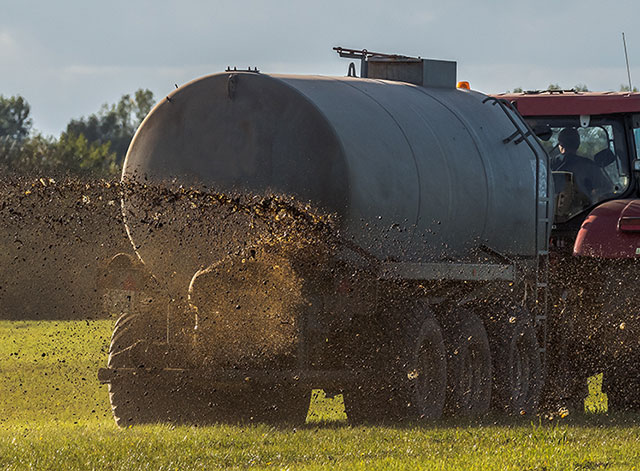
Fertiliser & Lime Spreading
Lime spreading services – designed for even application and maximum soil PH correction
- Excellent lime fertiliser spreading services for healthier soils and better yields
- Experienced lime spreading contractors offering reliable, accurate applications
- Flexible lime spreader hire to suit your farm’s specific needs and timing
Need a quote? Fill out the enquiry form or give us a call.
Send us a message
About fertiliser
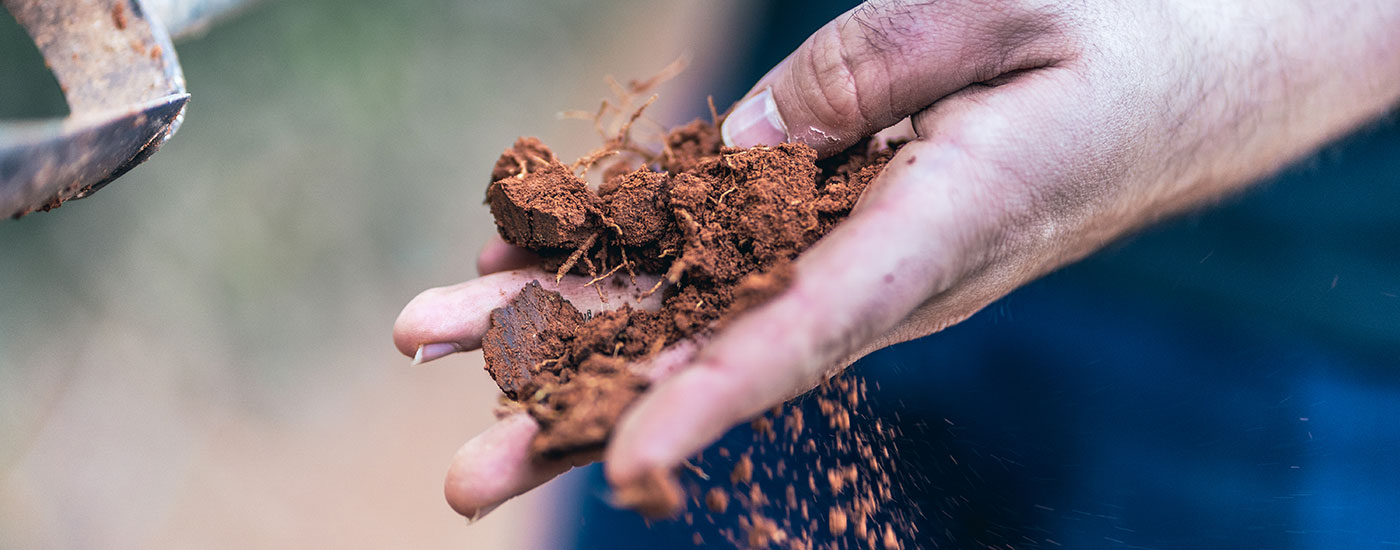
Fertiliser is critical to the development of crops and healthy yields. It introduces a natural or artificial substance into the soil with the aim to improve or enhance its natural fertility. Fertiliser also reintroduces chemicals lost in the soil by previous crop yields. Traditional fertiliser is often made up of manure and composts, but modern chemical fertiliser is created to include at least one of the following three elements, which are critical to the development of crops:
- Nitrogen: Created from synthetic ammonia and often distributed as a gas, in water solutions or converted to ammonium sulfate, ammonium nitrate and ammonium phosphate in salt form
- Phosphorus: These fertilisers include calcium phosphate, derived from rock or bones and sourced by treating calcium with sulfuric and phosphoric acid
- Potassium: These types of fertilisers are mined from potash deposit and contain multiple nutrients, from the three core groups
About agricultural lime spreading
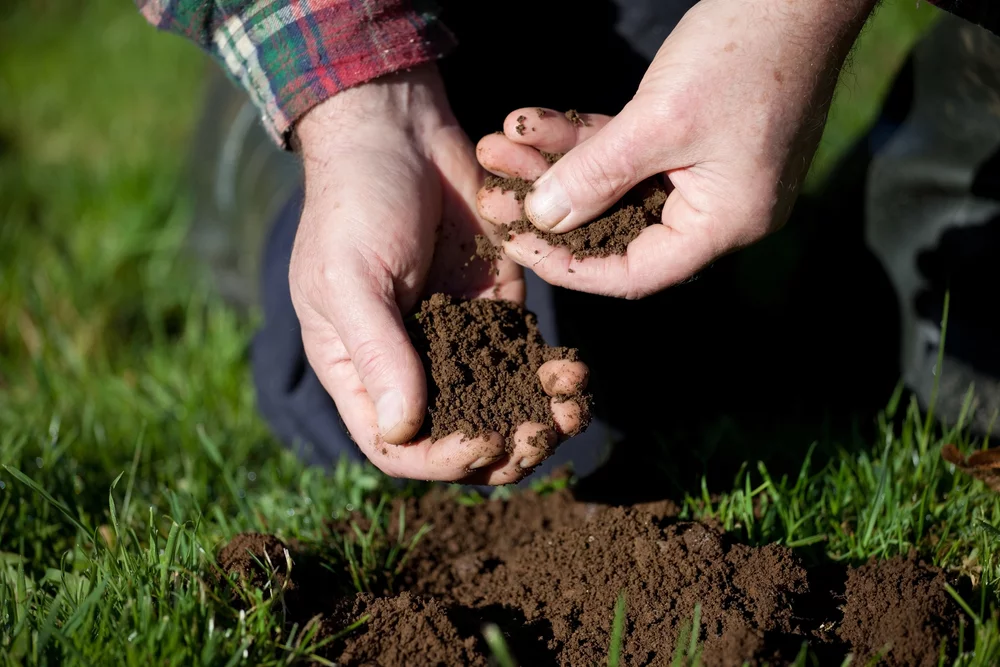
In comparison to traditional fertiliser spreading, lime spreading consists of the application of naturally occurring quarried lime. This agricultural service benefits your soil in a number of ways, including increasing the production potential of both grassland and arable land.
Lime should be sourced and checked prior to spreading, which will ensure that your agricultural service is providing you with the correct neutralising values. Lime spreading can benefit soil through a number of ways, including; increasing the pH of acidic soils, increasing levels of calcium and magnesium in the soil and improved water penetration within more acidic soils.
What are the benefits?
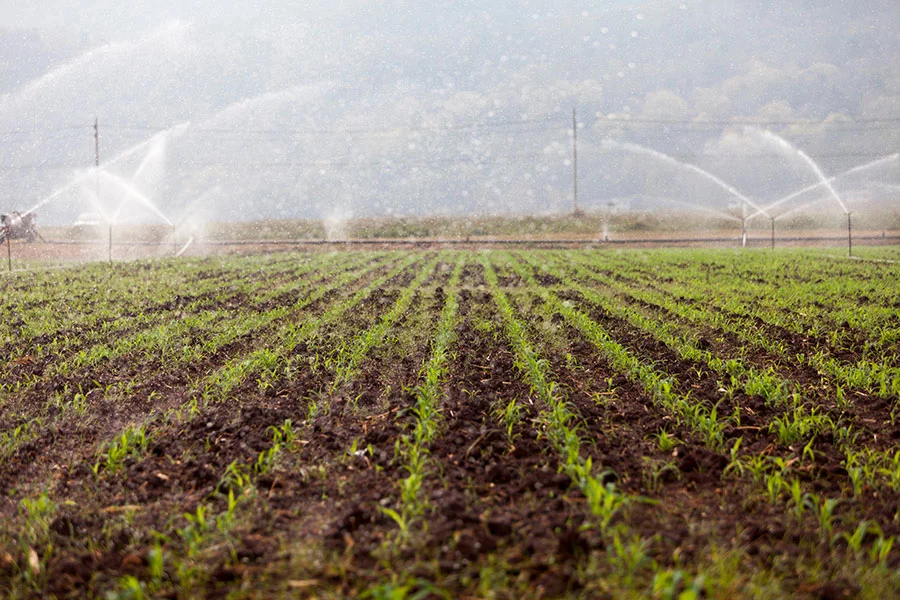
There are many benefits to spreading lime. These include:
- Improving the soil PH: lime neutralises acidic soils creating a better environment for crop growth.
- Increasing nutrient availability: By raising the PH of the soil, lime helps unlock essential nutrients like phosphorus, calcium, and magnesium for improved plant uptake.
- Enhancing soil structure: Lime promotes better soil texture and water infiltration, improving root development.
- Boosting crop yield: Healthier soil conditions lead to stronger crops and increased productivity and lowers input costs.
- Supporting sustainable farming: Lime application contributes to long-term soil health and environmental compliance.
About Our Spreaders
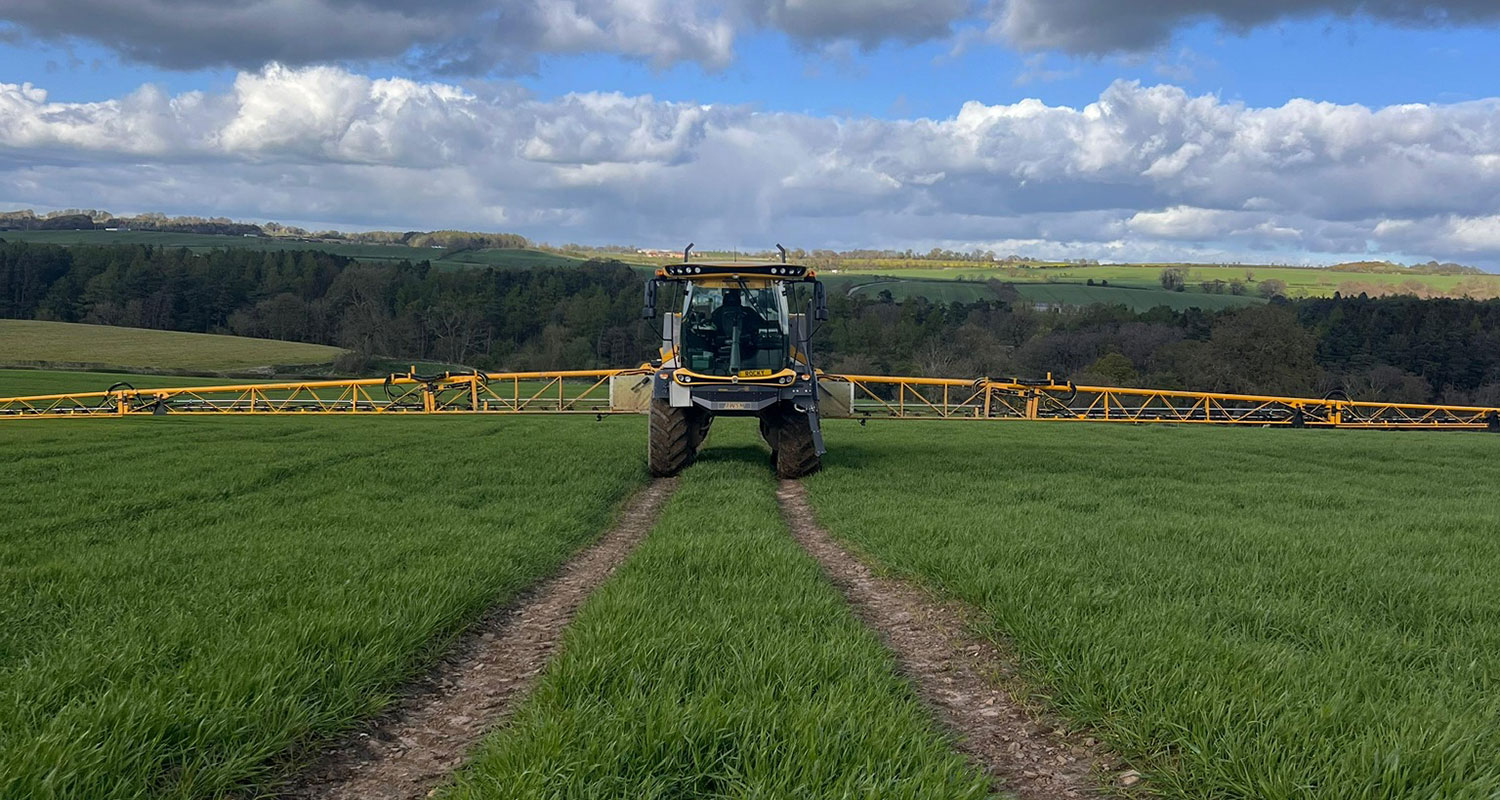
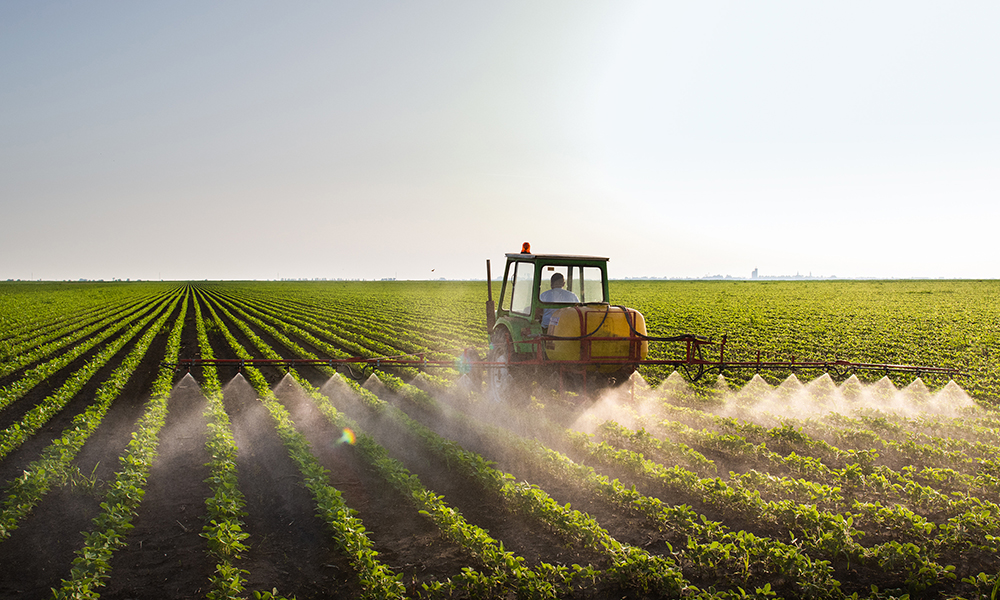
We apply fertiliser using a KRM Bogballe Spreader, which comes complete with weight cells to ensure even distribution. Applying fertiliser and lime through the use of our spreaders, allows for a variable rate application, following a variable rate mapping of the fields. Our KRM spreader offers an accurate agricultural service which continuously weighs the product as it is applied to the field whilst also automatically calibrating the farming machinery.
At AWSM, we can supply and provide fertiliser and lime products, including improved grass product which can be used with our Agrispread lime spreader. This spreader also offers a variable rate capable and compatible with a variety of application maps.
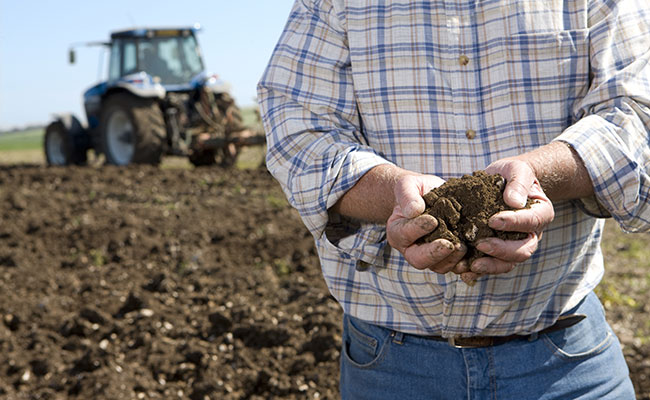
Our full agricultural service offering means we are able to carry out full soil sampling, using our quad bike GPS system. We are able to offer our clients the options of ‘W’ sample patterns or a more specific GPS sample of every hectare, which allows us to create variable rate application maps.
Contact AWSM for further details on products, prices, supply and spreading agricultural services, to find out how we can support your farming functions.
FAQs
How often should I apply lime fertiliser to my fields?
The frequency depends on soil acidity and crop requirements, but generally, lime is applied every 3–5 years to maintain optimal pH levels.
Can lime spreading improve the effectiveness of other fertilisers?
Yes, lime improves soil pH which enhances nutrient availability, making other fertilisers more effective.
Are there different types of lime for spreading, and how do I choose the right one?
There are several types, such as agricultural lime and dolomitic lime; the best choice depends on your soil’s nutrient profile and crop needs.
Is lime spreading suitable for all types of crops?
Lime spreading benefits most arable and grassland crops by improving soil structure and nutrient availability, but specific crop needs should be considered.
What time of year is best for lime spreading?
Lime spreading is most effective in autumn or early spring when soil conditions allow for good incorporation before planting.