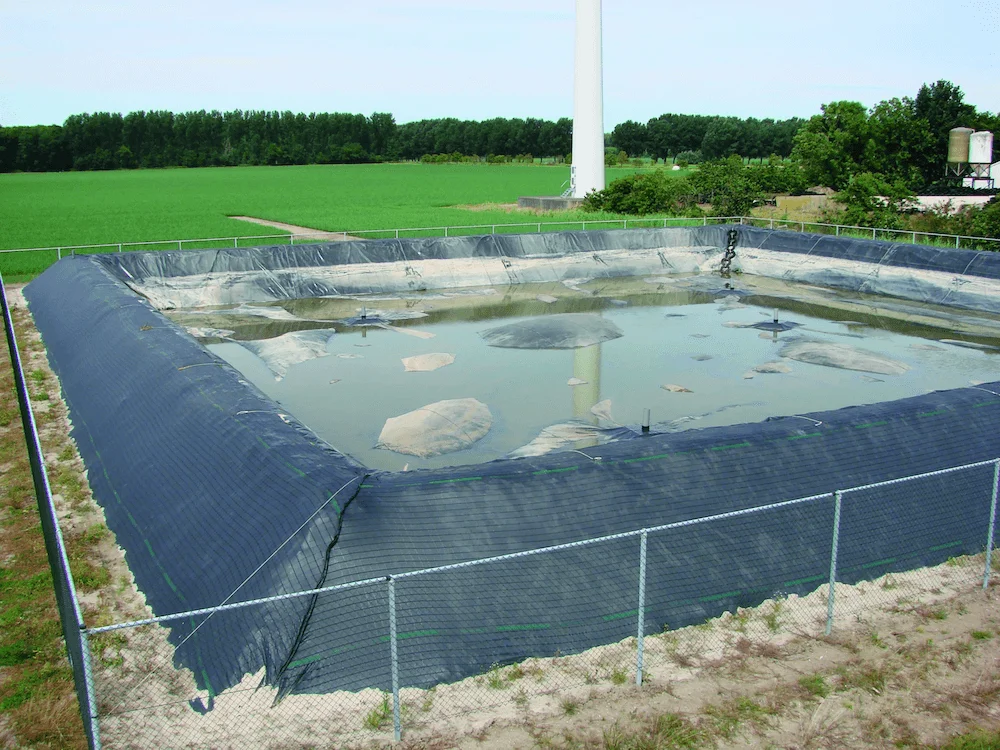
The price of slurry stores can vary greatly depending on the size and the style of storage you wish to use. Some stores are typically more expensive than others, with lagoons costing the least and shuttered concrete stores costing the most. Typically the larger a slurry store, the more you have to pay, but choosing an unusually small slurry store can also cause the price to rise.
Digestate Storage
Cost-effective, compliant digestate storage solutions – bespoke to your farm
- Save on fertiliser costs with efficient on-farm digestate storage
- Fully compliant systems designed to meet UK environmental regulations
- Fast installation with minimal disruption to farming operations
- Solutions ranging from temporary storage bags to bespoke lagoons and tanks
Not sure what solution fits your site? Speak with our team today.
Send us a message
Digestate storage solutions at AWSM Farming
AWSM Farming specialises in the specification, supply and installation of cost-effective digestate storage solutions. By investing in the right storage infrastructure, farms can maximise the nutrient value of digestate while maintaining full regulatory compliance. Storage solutions offered by AWSM are tailored to meet individual farm requirements and are compliant with Environmental Regulations.
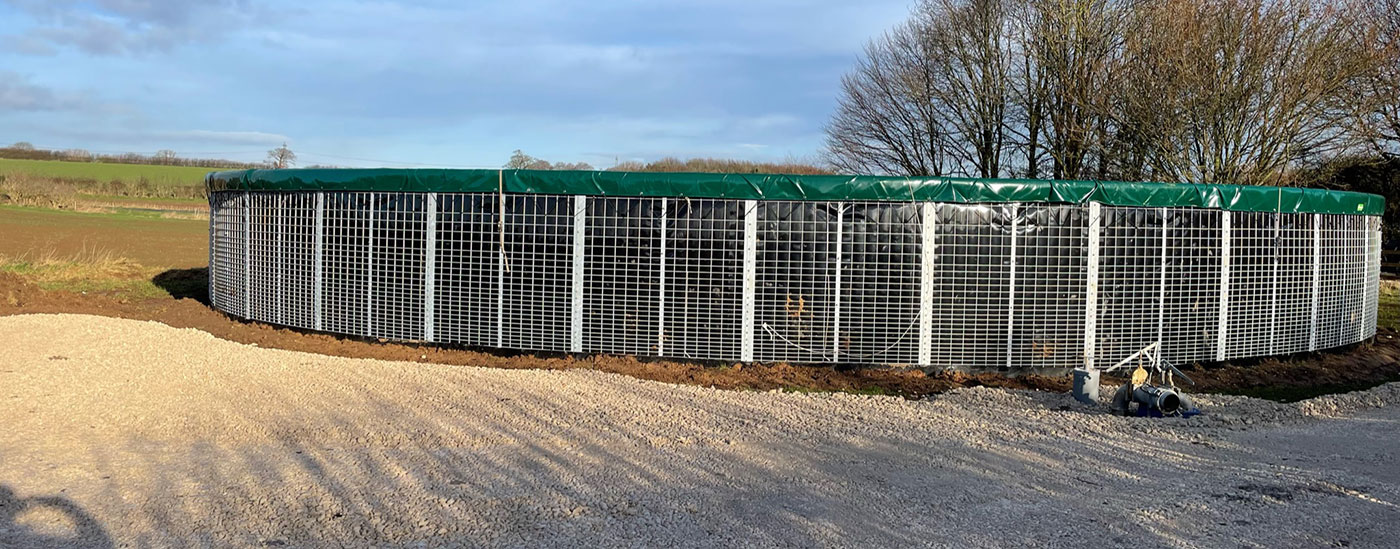
In recent years the increased use of digestate has resulted in a significant demand for digestate storage solutions. As the sole UK importer of the Genap Mesh Silo Systems, AWSM offers a unique edge over other providers of digestate storage.
Digestate Storage Specifications:
Getting digestate storage right is essential – not just for compliance, but for protecting your land, water and operations.
Best practice is for digestate storage facilities to be constructed in line with Environmental Regulations and guidance including The Water Resources (Control of Pollution) (Silage, Slurry and Agricultural Fuel Oil) (England) Regulations 2010 and CIRIA C759 Livestock manure and silage storage infrastructure for agriculture. At AWSM, we supply fully compliant, fit-for-purpose systems, including digestate storage tanks, lagoons, and digestate covers, designed to meet regulatory regulations while supporting the practical realities of farm operations.
Farming storage benefits
Digestate slurry is a valuable fertiliser. Correct storage of digestate provides many benefits including:
- Improved fertiliser efficiency by allowing for controlled application at the time of optimum nutrient uptake by the crop
- Cost savings through optimised spreading practices
- Reduced environmental impact by minimising nutrient loss and ammonia emissions
- Compliance with Environmental Regulations
Spreading times & ROI
Digestate should be applied during the growing season, typically from late winter through spring and summer, as this is when crops are actively taking up nutrients and can best utilise the nitrogen content of digestate.
In line with the Farming Rules for Water, storage of digestate should enable digestate applications to planned, giving consideration to:
- Optimal time: When crops are actively growing, usually from late winter to the end of summer.
- Crop specific needs: Consider the specific nutrient requirements of the crop you are growing when determining application rates.
- Avoid heavy rain: Don’t apply digestate if heavy rain is forecast within 48 hours.
- Soil conditions: Avoid applying on snow covered, waterlogged or frozen soil as this is likely to result in pollution. Farmers should anticipate storing their digestate for longer periods of time during period of inclement weather.
When correctly specified and managed, digestate storage offers a sound return on investment, resulting in significant savings, up to four times against the value of crops that have been treated early or when digestate replaces bagged or standard fertiliser.
AWSM digestate storage solutions
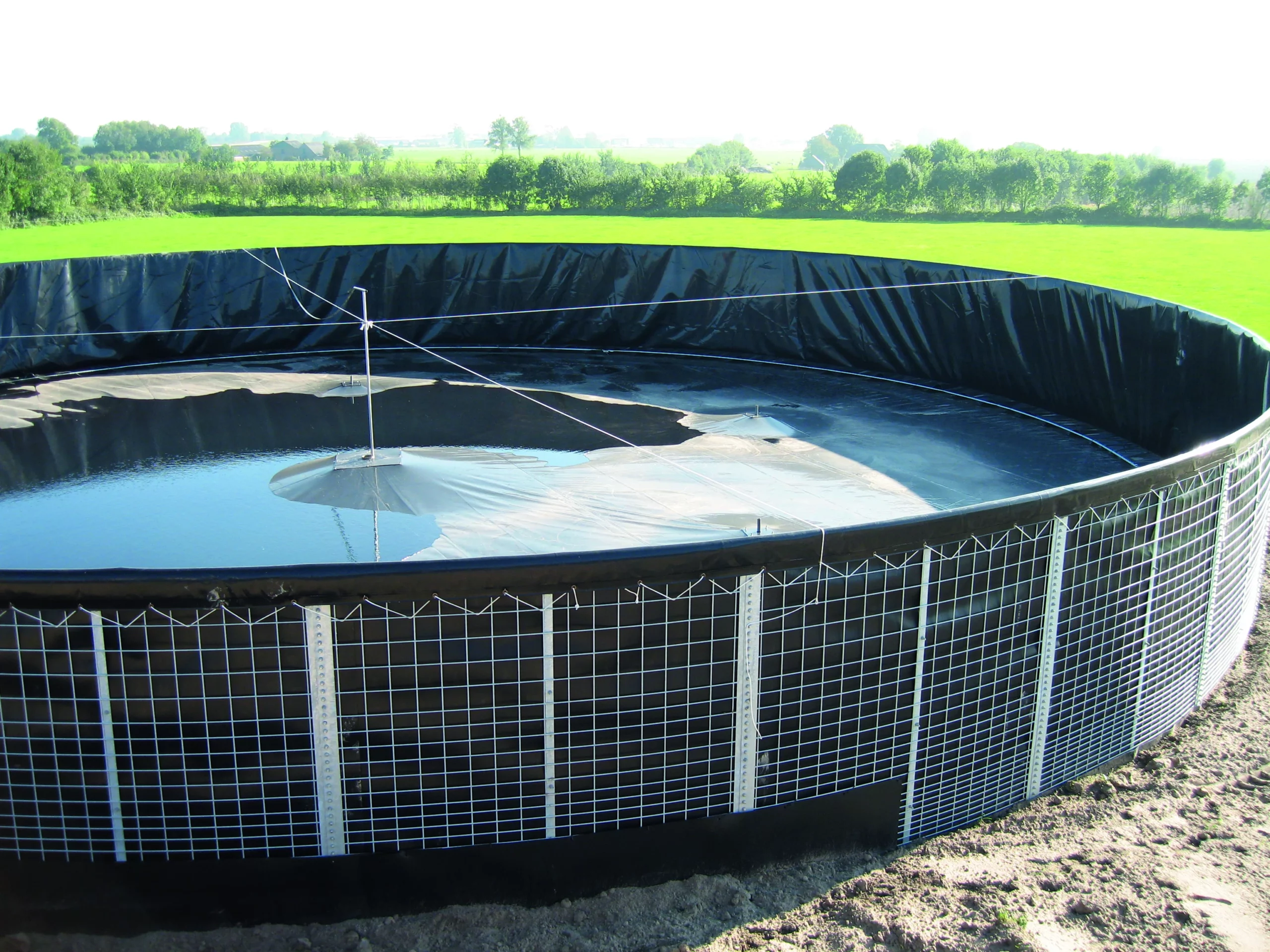
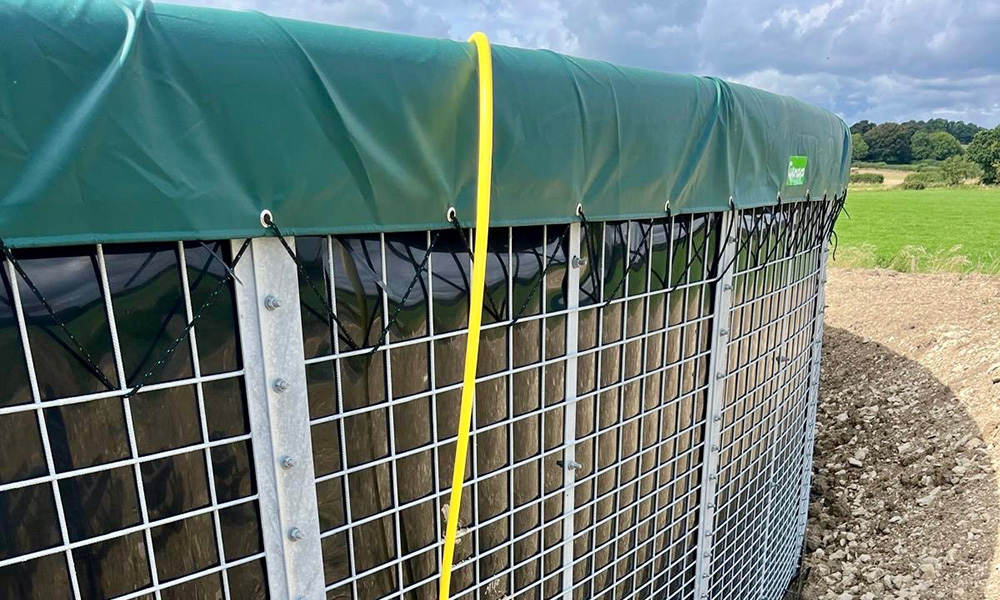
AWSM offers a full range of storage options and associated services for the specification, supply, and installation of digestate storage systems including above ground Mesh Silo Systems tanks lagoons.
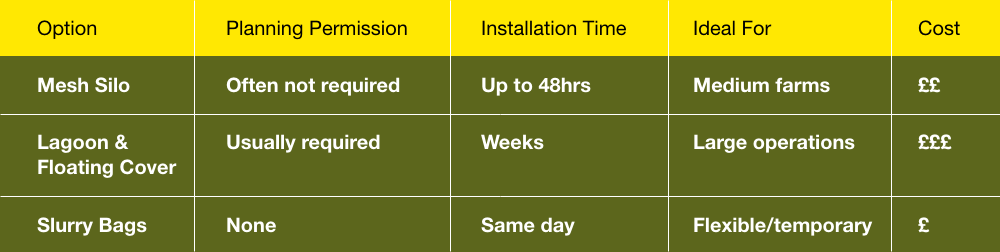
Upon screening for a suitable location, the Mesh Silo systems installed by AWSM only require a level soil base in terms of ground preparation, therefore our highly skilled installation team is able to install these types of tank in as little as 48 hours.
In addition, it is worth noting that the Mesh Silo Systems supplied and installed by AWSM do not require full planning permission, are easily relocated and can be asset financed if required. This digestate storage solution is ideal to ensure availability of fertiliser at the optimum spreading times and ensuring a good ROI.
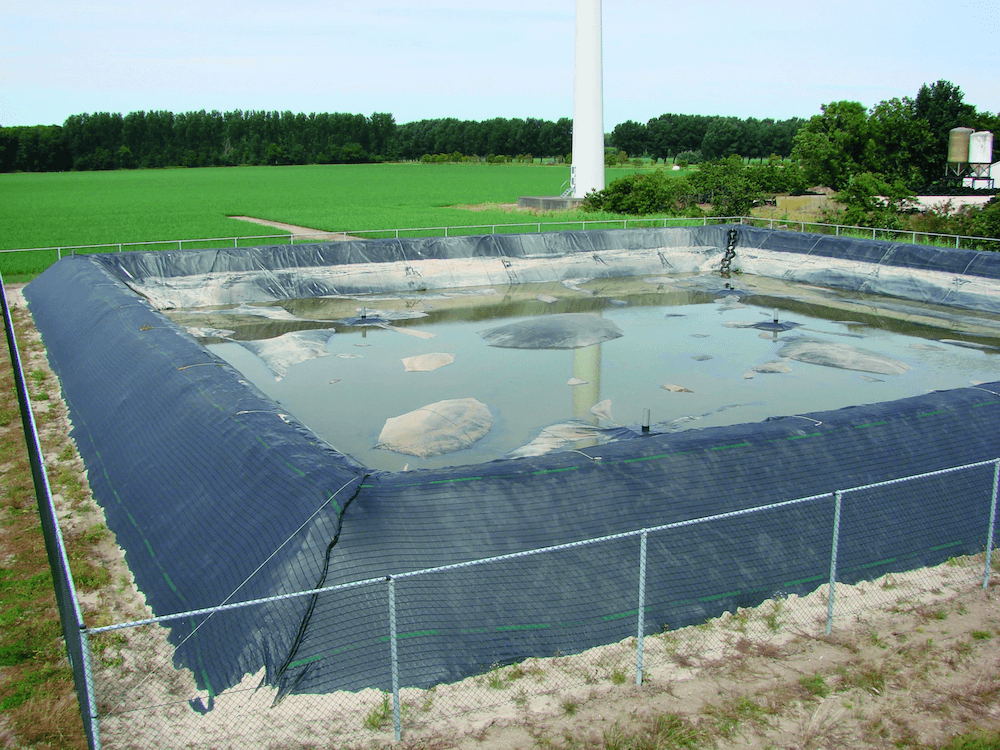
In addition, AWSM offer custom designed lagoons which are built to meet a farm’s needs, based on their storage requirements and can be fitted with a floating cover to protect the digestate product by reducing the volume of rainfall entering the lagoon and ammonia volatilisation. Lagoons are typically constructed to hold up to 10,000m3 using a single sheet liner. For larger lagoons liner sheets are welded together to ensure specific client requirements are achieved and Environmental Regulations complied with.
Digestate storage capacity and costs
The amount of digestate storage required for your farm depends entirely upon the farms land bank, nutrient requirement of the crops and frequency of application.
Different land uses, soil types and crops grown will affect how and when application of digestate can be beneficial. The most efficient way to determine a farms digestate requirements is by establishing a Nutrient Management Plan which will detail how much digestate is required and storage capacity can be tailored to meet these requirements.
The cost of storage varies greatly depending upon the volume of digestate to be stored and the construction method.
FAQs
Can anaerobic digestion work without thermal storage?
For bacteria to turn liquid into digestate effectively, the contents of a digester can be heated to maintain the ideal temperature for the process. When creating digestate, that sits around 30 to 38C. However, the process will still occur naturally if the liquid isn’t heated, albeit much slower and with decreased efficiency.
How much digestate storage is required?
The amount of digestate that is required for your farm depends entirely on how much land you have and how often you’ll need to apply it. Different land uses, soil types and crops grown will affect how and when digestate can be beneficial. The best way to determine how much you need is to speak with us and explain your situation, where we can offer our advice.
How much does a slurry store cost?
Do I need a permit for digestate storage?
Whether you need a permit for digestate storage depends on a variety of factors. These are the circumstances where you are required to have a permit:
- If your digestate is considered a ‘waste product’
You are storing large quantities of digestate - The storage is at a separate location to where it was produced or needed
- The spreading could cause environmental pollution or harm human health
- For some reason you cannot comply with the General Binding Rules for slurry storage and digestate
To find out if you need a permit, contact us.
How long can digestate be stored for?
Digestate can be stored long-term provided storage systems meet regulatory requirements, particularly within Nitrate Vulnerable Zones (NVZs), where spreading windows are restricted.
What are slurry storage bags and when are they used?
Slurry storage bags are large, durable containers usually made of PVC to hold digestate, slurry or water before spreading.
Is a digestate cooler recommended?
Yes, we recommend using a digestate cooler as it comes with many benefits. An example includes increasing energy efficiency and reducing operational costs. Cooling digestate is essential for processes like pasteurisation and concentration, which are vital post-treatment processes that enhance digestate safety and usability.